New Games - Page 12264

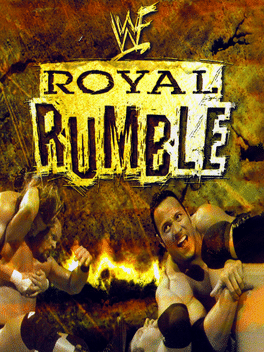
WWF Royal Rumble
2000
WWF Royal Rumble
2000
THQ's third title under the WWF banner and their only title built specifically to be an arcade game. A console port was made for the Sega Dreamcast. It is the first console 3D wrestling game to allow more than four wrestlers on screen simultaneously; it allows nine.Gran Duel: Shinki Dungeon no Hihou
2000
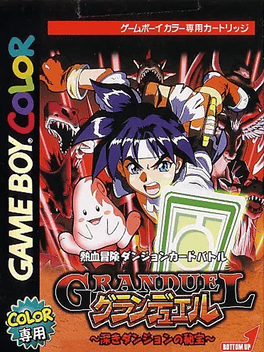
Gran Duel: Shinki Dungeon no Hihou is a Role-Playing game, developed by Studio VeX and published by Bottom Up, which was released in Japan in 1999.Fussball Live
2000
Fussball Live
2000
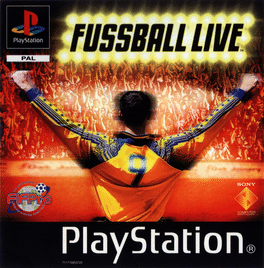
[SCES_01702] This is true emotion. This is raw energy. This is reality. This is football! - Over 230 teams featuring over 5000 real players with individual playing styles. - Over 20 authentic tournaments. - Endorsed by FIFPro, the International Association of Football Players Unions. - Revolutionary replay system offering fluid animation and unrivalled detail. - Create custom tournaments and leagues and edit individual player attributes. - The fastest, most detailed and realistic football simulation ever produced.Homeworld: Raider Retreat
2000
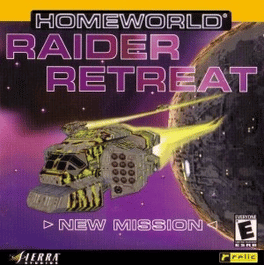
Homeworld: Raider Retreat is a promotional version of Homeworld that was made available through the pre-order version of Homeworld: Cataclysm. The game added an additional mission, along with the first four missions, focusing primarily on the Turanic Raiders, which was cut from the original game for unknown reasons. None of these missions are available in Homeworld: Cataclysm.Tarepanda no Gunpey
2000
Tarepanda no Gunpey
2000
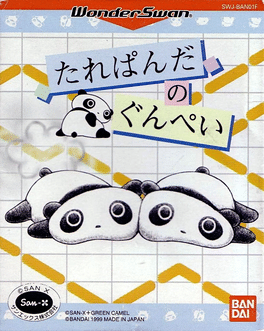
Tarepanda no Gunpey is a Puzzle game, published by Bandai, which was released in Japan in 1999.Fever Sankyo Koushiki Pachinko Simulation for WonderSwan
2000
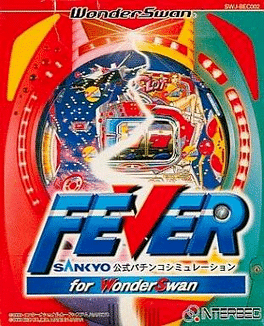
The Sankyo Fever series' sole WonderSwan entry. Fever Sankyo Koushiki Pachinko Simulation for WonderSwan is a Miscellaneous game, developed and published by Bec, which was released in Japan in 1999.Atelier Elie GB
2000
Atelier Elie GB
2000
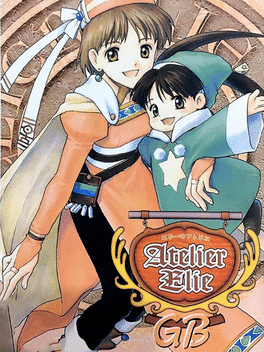
A spin-off game of the Atelier: Salburg series with 2 versions, the other being "Atelier Marie GB", that takes place after the games main character graduates from the academy and opens an alchemy shop. Was only released in Japan.Atelier Marie GB
2000
Atelier Marie GB
2000
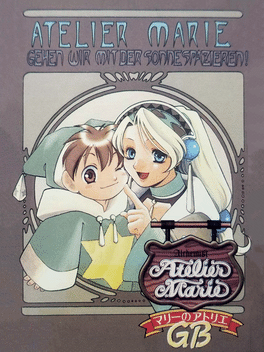
A spin-off game of the Atelier: Salburg series with 2 versions, the other being "Atelier Elie GB", that takes place after the main character graduates from the academy and opens an alchemy shop. Was only released in Japan.NBA 3 on 3 Featuring Kobe Bryant
2000
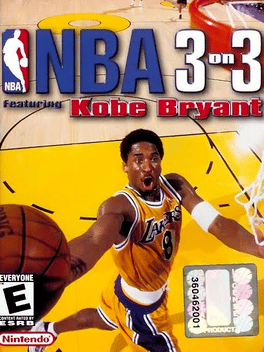
Experience the wide-open nature of three-on-three basketball with NBA 3-ON-3 FEATURING KOBE BRYANT. You can choose your squad from all of the NBA teams that include actual rosters. Once you have chosen your favorite team, play a Pick-Up game to get accustomed to the game style and controls. When you are ready for some competition, try to win the NBA championship in a 14, 28, 56, or 82-game Season mode. If you don't want to waste your time playing a full season, you can go straight to the Playoffs. No matter what mode you play, the rules of the game can be adjusted, including shot clock violations, backcourt violations, and the maximum number of points that can be scored. If you want to put yourself into the game, you can with the Create-A-Player option. Now you can try to conquer the NBA in NBA 3-ON-3 FEATURING KOBE BRYANT.Super Robot Taisen EX
2000
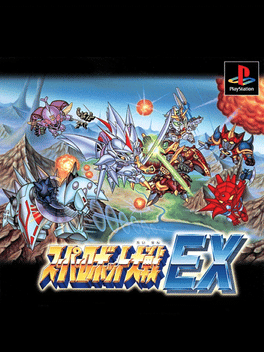
A remake of Super Robot Taisen EX released first in Super Robot Wars Complete Box. It was later released as a standalone title.Hanagumi Taisen Columns 2
2000
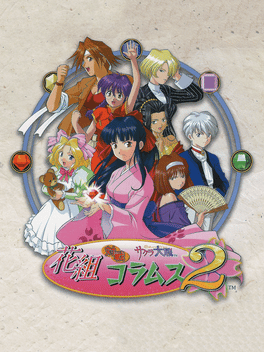
The members of the Sakura Wars Hanagumi meet together and confront again with the falling object puzzle. Compete with Sakura fans all over the country while staying at home for online matches! Using the communication function of Dreamcast, you can play online. You can test your skills with "Hana Kora" fans nationwide at home. Of course, you can also enjoy Sakura-related information on the Internet. A variety of game modes with a story and a single play! A variety of game modes are available, including the Red Boy vs Red Lizard Mode, where members of the Hanagumi clash over the protagonist, the 2P battle mode in which players compete with each other, and the 1P mode in which columns are played intently. Of course, there is also a story mode where you can get a glimpse of the daily lives of the Hanagumi members.Robin Lloyd no Bouken
2000
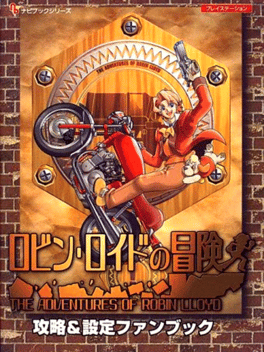
The Adventures of Robin Lloyd is a detective adventure game mixed with some action RPG elements, set in 1926 London, You need to get the clues by talking to various people and interact with objects. The game's main character private detective Robin Lloyd, must solve countless mysterious! A key element of this game is its investigation system that lets you study objects that rouse your suspicion by looking at them from below or behind and even turning them upside down at times.O-chan no Oekaki Logic
2000
O-chan no Oekaki Logic is a Puzzle game, developed by Santaclaus and published by SunSoft, which was released in Japan in 2000.Deliverance
2000
Deliverance
2000
After defeating the alien leader Nihilanth, you, Gordon Freeman, declined the mysterious G-Man’s offer of employment and narrowly escaped death at the hands of several alien grunts. After battling your way through the Lambda Reactor Complex and realigning the antenna dish you were able to make contact with the outside world. Word has spread of the strange events at Black Mesa and the government is attempting to coverup the truth by reporting “a terrorist plot to obtain U.S. military secrets has been uncovered at the Black Mesa Complex. An undetermined number of civilian personnel have been killed in the well-organised terrorist raid which has been met by U.S. rapid-deployment forces.”South Park Rally
2000
South Park Rally
2000
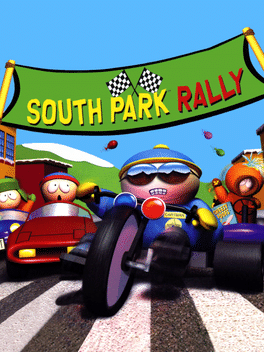
star 6.3Choose your character from the cast of the popular 'mature' cartoon South Park, and tear through the streets in this racing game. Your character's vehicle may be a little cart, trike, or box, for example. Weapons include rockets, Salty Balls, Cheesy Poofs, the beloved Cow and even an Anal probe. All of the voices are also included, making it feel more like the real cartoon than a rally game. You can also play an all-on-all 4 player mode.9:05
2000
9:05
2000
The phone rings. Oh, no — how long have you been asleep? Sure, it was a tough night, but... This is bad. This is very bad.Battle Isle: Platinum
2000
Battle Isle Platinium is pure strategy combined with a compelling backstory. Consisting of the first four installments of the series, it offers the opportunity to play and experience a huge chunk of Battle Isle history, from the very beginnings on up to the events on Scayra, the colonial planet of Chromos – a planet so distant and yet so similar to Earth. The history of the Kais and the Drulls is one comprised of only a few Chromian centuries, but centuries with one war following the other, with destruction and upheaval determining the development of Chromian society.Nuclear Strike 64
2000
Nuclear Strike 64
2000
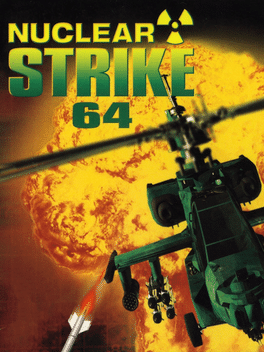
Nuclear Strike 64 is a helicopter-based game, with strategy elements added to the action gameplay. The plot concerns an elite special force - the player's allies - pursuing a nuclear-armed rogue spy through a fictionalised Asian setting. It retained the earlier game's engine but added several modifications to improve graphical performance and make the game more accessible. The game features 15 playable vehicles, a large increase from previous games. In addition to the main fictionalised Apache, there are secondary helicopters, jets, armour and a hovercraft. The player also commands ground troops in occasional real-time strategy sections.Kiss Yori... Seaside Serenade
2000
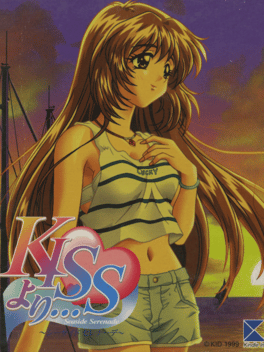
Kiss Yori... Seaside Serenade is an Adventure game, developed and published by Kid, which was released in Japan in 1999.