New Games - Page 12265

Akeyan Enigma
2000
Akeyan Enigma
2000
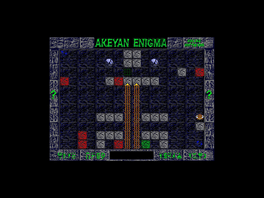
Akeyan Enigma is a video game published in 2000 on Windows by Soleau Software, Inc.. It's a puzzle game, and was also released on Windows 3.x and Mac.Yo, Matias 2: Fantasmas y Calabazas
2000
Second installment of the Yo, Matías videogame series. A Side-scroller halloween-themed platformerMission Craft
2000
Mission Craft
2000
An arcade shoot-em-up that repurposes assets from StarCraft and Warcraft II, Mission Craft has players choose between terran, protoss, and zerg ships to blast their way through enemy bases.UEFA 2000
2000
Sudoku
2000
Astraware Zap!
2000
Astraware Zap!
2000
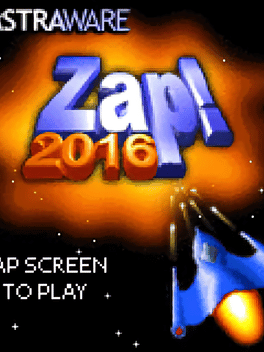
Zap! is a top-down arcade shoot-em-up in space featuring numerous enemies and bosses to contend with across multiple levels. Its first iteration, simply titled Zap!, was first published in 1999 for Palm OS 3.x devices, but later received a full-color remake called Zap! 2000. An enhanced version of this remake, Zap! 2016, was later released with improved graphics and sound in 2003.LEGO My Style: Preschool
2000
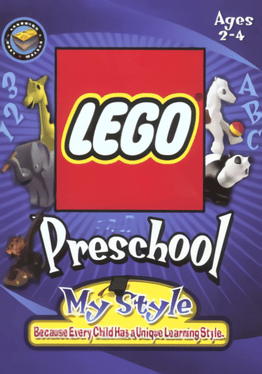
LEGO My Style: Preschool is an educational game for children aged 2-4 starring the animal characters from LEGO's Duplo line of toys. There are four learning environments - math, art, music, and language - which players can visit to learn the basics of the aforementioned principles by playing simple mini-games.Bubble Bobble Nostalgie: Christmas Edition
2000
The developers of Bubble Bobble Nostalgia also released an add-on called Christmas Edition. In fact, this is the same Bubble Bobble Nostalgia, only with the atmosphere of the New Year or Christmas holidays: the title music is the notorious Jingle Bells, the dragons are dressed up in the costume of Santa Claus or Santa Claus, and the passwords are replaced with the names of attributes of the New Year or the same Christmas. Well, they changed the background and platforms in some levels. And the rest is the same.Bubble Bobble Nostalgie
2000
A remake of the famous Japanese game about dragons releasing green bubbles, developed by Russian programmers and released by the notorious Alawar Entertainment studio. Yes, yes, the same one that created and released the well-known Farm Frenzy and the Treasures of Montezuma. The gameplay is simple. We control a green dragon (and in the game mode for two - also blue), which shoots green bubbles at enemies, and as soon as the enemies hit them, they immediately find themselves in a trap, and we calmly pop these bubbles as a dragon. And from the enemies we get their leftovers in the form of various kinds of food: from fruits to a mug of beer, which also appear as a randomly appearing bonus. There are only 8 enemies - these are clockwork toys familiar to us from the original, and weirdos in a white cloak, and brown ghosts similar to octopuses, and flying monsters with a propeller, and jumpers, and fluffy monsters, and sorcerers, and spiders. If clockwork toys, propeller monsters and octopuses are not particularly dangeDie CD-ROM mit der Maus 1
2000
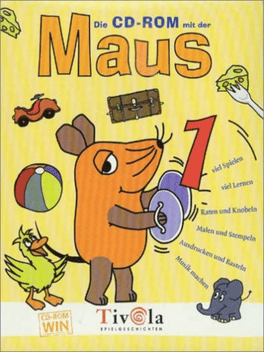
Playing, learning, puzzling, drawing and making music with the Mouse and the Elephant.Tonic Trouble
2000
I Spy School Days
2000
I Spy School Days
2000
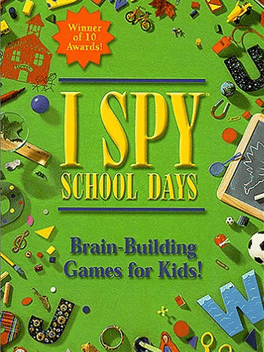
I Spy is the fourth game in an educational game series based on the series of children's hidden object books. It is the same as the first game, I Spy, with the addition of Craft Project levels.Super Mario Bros. Square Root 5
2000
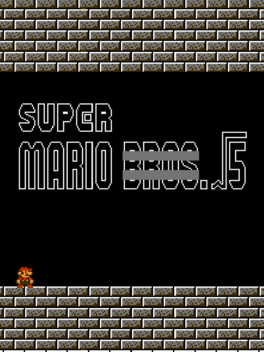
To say "Princess Peach! Kidnapped" and or, that you say, especially at this late hour is not. The "extra" to torment the Mario "shortage". That’s it. Tricks are required!Rainbow Fish: The Most beautiful Fish in the Ocean
2000
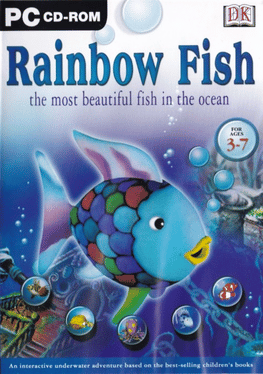
Based on the best-seller children's book. Rainbow Fish is an interactive underwater adventure where you can talk and play games with sea creatures.Sissyfight 2000
2000
Sissyfight 2000
2000
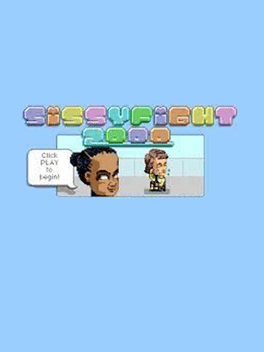
Sissyfight 2000 is a turn-based strategy online game developed by the Word online magazine staff, including executive producer Marisa Bowe, producer Naomi Clark, lead programmer Ranjit Bhatnagar, and art director Yoshi Sodeoka, with game designer Eric Zimmerman.101 Card & Board Games
2000
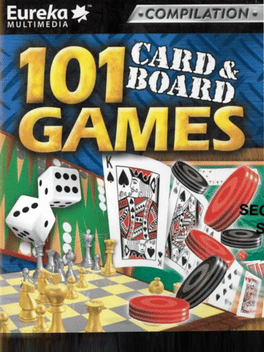
101 Card & Board Games is a collection of board and card games for PC that was released by Eureka in 2000 in Australia.Alcatraz
2000
Alcatraz
2000
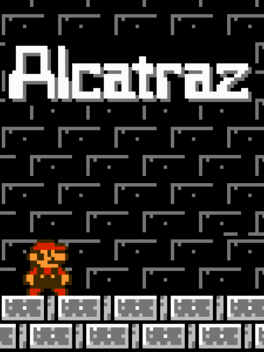
Alcatraz, a prison island floating above San Francisco Bay, in the United States. Mario has been captured by the turtle clan! Can he safely escape from the prison island? Is this jailbreak impossible…?Mario vs. Airman
2000
Mario vs. Airman
2000
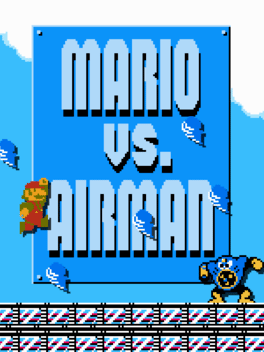
A single-stage Super Mario Bros. romhack which allows Mario to take on Air Man's stage from Mega Man 2, set to an 8-bit arrangement of the popular doujin song "Air Man ga Taosenai" ("Can't Beat Air Man").Microsoft Train Simulator: Pro Train
2000
One of the first commercial add-ons for Microsoft Train Simulator, ProTrain takes you to one of the most beautiful areas in Germany, the scenic Rhine Valley region. Within the deep valley of the Rhine, ride alongside the wide river displaying towns, cities, castles and the spectacular Koln cathedral. Riding in several new trains, you will ride past the cities of Cologne, Bonn, Mainz, Koblenz, Wiesbaden and Frankfurt.Alchemist
2000
Alchemist
2000
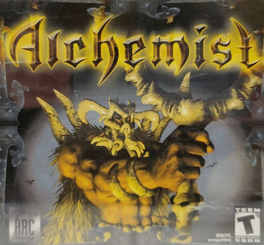
Darkness is calling enter the world of Alchemist.Five powerful beings amass vast forces to bid for control of the fate of humanity. As one of these rulers, you will battle your opponents in an attempt to determine the fate of this world.