New Games - Page 12263

Divadlo
2000
Divadlo
2000
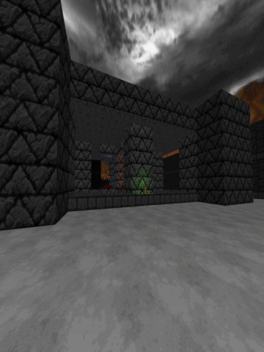
'divadlo' is Czech for theatre, so it's no surprise that this level is set in and around one.Puyo Puyo~n - Car-kun to Issho
2000
This game was released only in Japan. It is the fourth game in the Puyo Puyo series and the last set during the Madou-era in the main series. Continuing the trend of naming the games after puns, the name comes from a pun on "yon", the Japanese word for the number 4, but this time this is the only reference to the pun. The gameplay in is similar to that of Puyo Puyo 2, but adds super attacks. Clearing chains now builds up a "charge meter" which allows players to use them. The only other addition was a new game mode which could be played with a number of different field sizes, smaller or bigger than the standard 6x12, however, it removes several game modes that were present in Puyo Puyo Sun, i.e. the tournament, task and chain training modes. The art is also vastly different to the previous game in the series and, of course, the Fever series; this style was only otherwise used for Minna de Puyo Puyo. STORY: Satan has released an odd demon called Pierott. Pierott invites Arle and Carbuncle over to the “Puyo Puyo CDigimon Adventure: Anode Tamer
2000
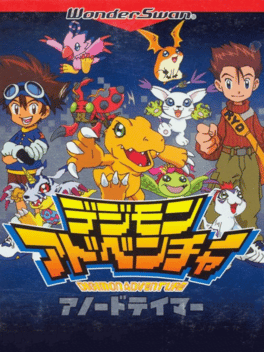
The game is based on the popular manga series Digimon, which follows the adventures of children who can gain access into the digital world and fight digital monsters there. In this game, the evil Milenniamon has kidnapped several children and is planning to take control over the Digiworld. One of the good monsters, Agumon, escaped, and transported the hero Ryou to the Digiworld. Now Ryou has to fight monsters, capture them, and assemble an army to overthrow Milenniamon and to rescue his friends.Sotsugyou Graduation for WonderSwan
2000
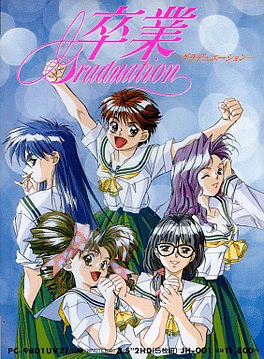
Sotsugyou Graduation for WonderSwan is a Strategy game, developed by Imageworks (Japan) and published by Bandai Visual, which was released in Japan in 1999.Wind Fantasy SP: The Moment of Sealing The God
2000
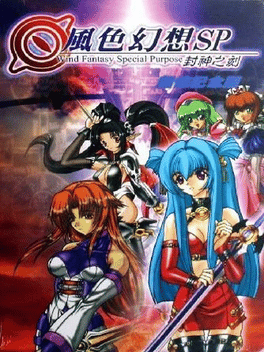
Two hundred years ago, the devil Medicis launched a war against humans because of the death of his beloved, the saint Lilith. ..The leader of mankind, Arthur, the King of Light who personally executed the saint Lilith, raised his holy sword to resist for the survival of the world of light. The war caused by the love affair between Lilith, the Saint of Light, and the Demon Lord Medicis lasted for seven years. .. The revenge war of the Demon King Medicis against the Holy King of Light was not successful. In the last battle of the Holy Demon Palace, the Holy King of Light Arthur defeated the Demon King Medicis with a sacrificed attack. In order to prevent all disasters, human beings at that time used the power of the absolute magic circle to seal all the dark people at the end of time and space.Quest: Brian's Journey
2000
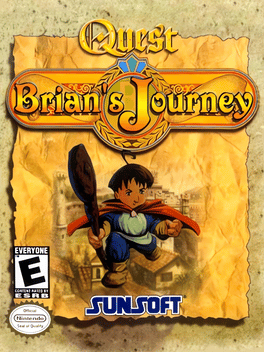
Brian lives in a peaceful and quiet town where nothing ever happens, which is the way everyone likes it. Suddenly, hordes of evildoers overrun the town and start wreaking havoc in this once-sleepy community. The town is counting on Brian to go on a quest to restore peace and harmony. You take control of the unlikely hero and set out on the adventure of a lifetime. While traveling, you will discover something more nefarious is happening, and you'll have your hands full of monsters and enemies. Throughout your journey you will have to battle these monsters and enemies in turn-based combat with a twist. The twist is that you can move between turns to dodge attacks, and you can also combine spells and attacks to create special moves. Help Brian save his town, and maybe even the world, in QUEST RPG: Brian's Journey.Monster Bass
2000
Monster Bass
2000
Pick your bait, grab your fishing rod, and go out and catch the biggest fish you can find! But beware... when the fish are your worst enemy, and the fear of zombie bass flows through the town, what will you do? Hook'em up of course! Fight against against the monstrous fish in the scariest fishing game ever made...Crime Cities
2000
Crime Cities
2000
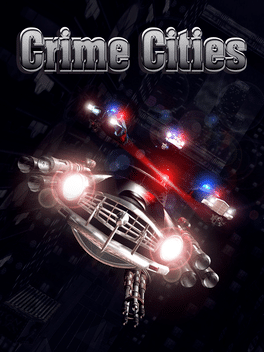
Revisit Crime Cities, a revolutionary cross between a shooter and a futuristic vehicle simulator, originally published in 2000. Immerse yourself in the dense atmosphere of a grim future, as you follow a complex plot and complete a variety of deadly, unpredictable missions.Pac Man
2000
Tread Marks
2000
Tread Marks
2000
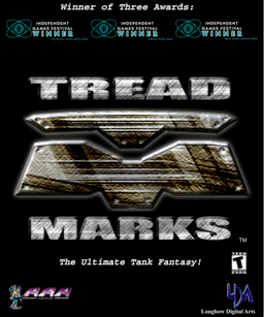
Tread Marks is a tank action game featuring tree different gameplay modes. The first is race mode, in which players race each other on an off-road circuit and can push or shoot their opponents to hinder them. Battle mode is like deathmatch or team deathmatch, the most kills win the game. In capture the flag mode, two or more teams try to capture the other team's flags.Airfix: Dogfighter
2000
Airfix: Dogfighter
2000
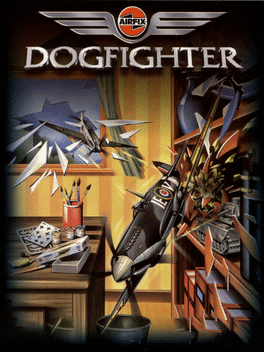
star 8.1Airfix Dogfighter lets players pilot detailed, miniature versions of World War II aircraft through a large, 3D-rendered houseDes Blood 3
2000
The Forgotten Portals
2000
You're making your way through an icy region and are nearly crushed when some ice caverns collapse. Eventually you make your way out only to find yourself trapped in a long deserted temple complex. The gates are enchanted and cannot be opened. You decipher an inscription that tells you that you must pass through three portals to remove the barriers that will allow you to leave.Tech Romancer
2000
Tech Romancer
2000
Tech Romancer is the name of a minigame collection for the VMU released with Tech Romancer.Touge Max G
2000
Touge Max G
2000
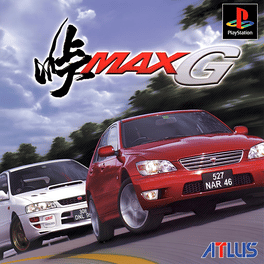
A touge-focused drifting racer where players compete one-on-one on narrow mountain passes with realistic handling and an expanded car roster. Modes include King Battle, Time Attack, Story, Gymkhana, and two-player versus, with night courses and customization options emphasizing racing line and drift technique.Chain of Command
2000
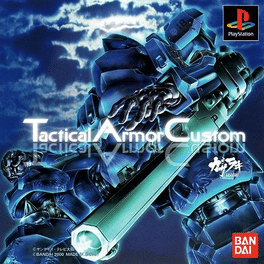
Tactical Armor Custom Gasaraki
2000
Tactical Armor Custom Gasaraki is a game based on the anime Gasaraki. Gasaraki is a mecha anime television series produced by Sunrise. It was written by Ryousuke Takahashi, who also created the series with Sunrise and shared directorial duties with Goro Taniguchi. The series is marked by an exceptionally detailed and convincing treatment of mecha design and operation, albeit within the context of the alternate reality of the story. Set in the near-future (at the time of release), a little-understood form of matter known as "Mile One" allows a powerful and influential Japanese family, the Gowa, to produce a bipedal weapon which they refer to as a Tactical Armor (TA). At this time a war breaks out between the US and the fictional Middle East country of Belgistan, much like the Gulf War. When US military forces attempt to seize the capital they are systematically wiped out by what appear to be rival TAs. The Gowa Family seizes this opportunity to demonstrate their weapon system, and civilian pilot Yuushiro Gowa andNFL Blitz 2000: Gold Edition
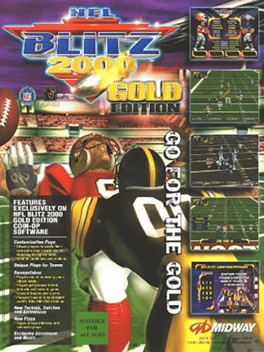
2000
Players choose an official NFL team, each with unique statistics, and compete in American football games with very few real-world rules. The object of the game is to try and win the Superbowl! This title uses the latest in 3DFX graphics.Dukai
2000