New Games - Page 12397

Spawn: The Ultimate
1998
Aquarium
1998
Aquarium
1998
Theme Aquarium is a simulation video game in which the player creates and controls a sea life aquarium. It was originally released on 17 December 1998 for PlayStation only in Japan. The game was later ported to Microsoft Windows under the name Aquarium and was released in Europe. It was developed by Bullfrog production after the acquisition by Electronic Arts, since at the time Bullfrog was one of the most successful developer at breaching the Japanese market (with Populous and Theme Park). EA then decided to developed a Theme game exclusive to the Japanese Market. The western release did not have the Bullfrog branding.Lunatic Dawn III
1998
Lunatic Dawn III
1998
The third title in the Lunatic Dawn series from Artdink, released for PlayStation.Mobile Suit Gundam: Char's Counterattack
1998
Action video game published by Bandai in 1998, for the PlayStation. Released as part of the 20th anniversary of the anime Char's Counterattack.Monster Race
1998
Monster Race
1998
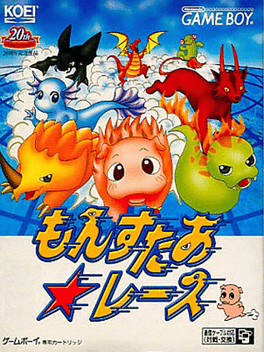
A Koei published monster collecting and racing game in the vein of Pokémon. It was released in Japan on March 6th 1998 for the Sony Playstation and Nintendo Gameboy. In the game you play a young boy who wants to be a monster trainer and win the Monster Race World Championship and for that the player has to train his monster so that way he becomes stronger and faster. The player can also catch new monsters that he can find in grass terrains and if he wins the race against them he can add them to his team.Dark Vengeance
1998
Dark Vengeance
1998
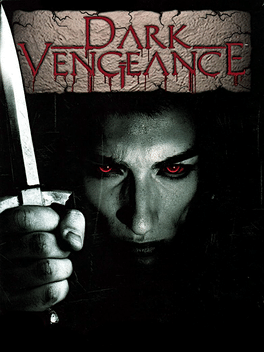
Humans and elves had once lived together in peace, until many centuries ago when a renegade band of elves had challenged for power. Banished to underground caverns, they became known as the 'Dark Elves,' and have been vowing revenge on the surface dwellers - a Dark Vengeance. A prophecy foretold of their return and the history of the tale was forced down, but after countless peaceful centuries the people of the land became fearless and ignored the ancient tales.Atelier Elie: The Alchemist of Salburg 2
1998
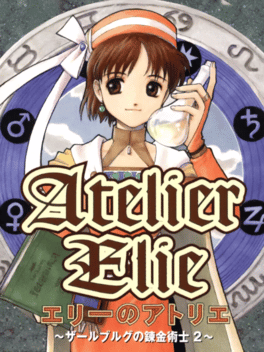
The second game in the Atelier series. Originally for the PlayStation the game has been released for the PS3 and PSP through the PlayStation Network as PSOne Classics. The game has only been released in Japan.Rhapsody: A Musical Adventure
1998
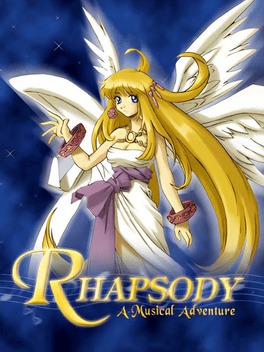
star 6.2Rhapsody: A Musical Adventure, released in Japan as The Puppet Princess of Marl Kingdom is a tactical role-playing game for the PlayStation from Atlus USA and Nippon Ichi Software, the creators of Disgaea, and is part of the Marl Kingdom series. Rhapsody, along with its sequels, are considered musical RPGs, meaning in place of FMV cutscenes, there are musical numbers, complete with vocals. The game is also known for its "overwhelming cuteness" and low level of difficulty. Although this may make the game seem geared towards a younger audience, in Japan, the game and series in general has seen much success.Thousand Arms
1998
Thousand Arms
1998
star 7.3The game takes place on a "steampunk" type of world. The Dark Acolytes, a mysterious organization of cyborgs and robots, is trying to find the five legendary Sacred Flames, and bring chaos to the World in the process. Meis, a womanizing "Spirit Blacksmith" with the ability to make magical weapons, finds himself chosen to find the flames before the Dark Acolytes do. However, to increase the power of his weapons, Meis must have the help of a woman, and must increase his 'intimacy level' with her by going out on dates. Along his journey, he meets a colorful cast of characters, including girls to date and allies to join his party.Virtual Pool 64
1998
Virtual Pool 64
1998
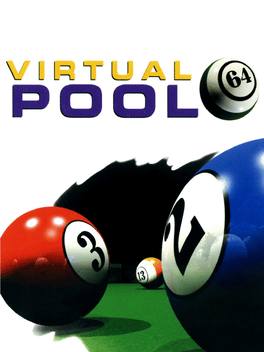
star 5.8The ultra-real physics make Virtual Pool 64 as close to real pool as it gets! Choose from 9 types of pool including favorites like 9-Ball, Straight Pool, 8-Ball and One Pocket. Three levels of difficulty: Amateur, Professional and Championship. Master trick shots, learn a new game or challenge hundreds of computer opponents in exciting tournament play.Suikoden II
1998
Suikoden II
1998
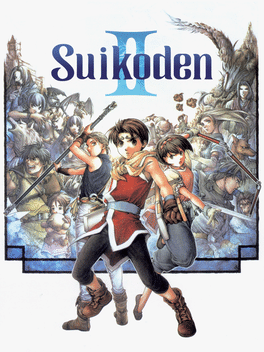
star 9.5Suikoden II is a role-playing game developed and published by Konami for the PlayStation. Set in a world of warring nations, the game follows a silent protagonist caught between the Kingdom of Highland and the City-States of Jowston. Gameplay combines turn-based party combat, one-on-one duels, and grid-based strategic army battles. Players can recruit over 100 characters, many of whom join the party or contribute to a home base that expands throughout the game. Save data from the original Suikoden can be imported to carry over certain characters and story details.Yu-Gi-Oh! Duel Monsters
1998
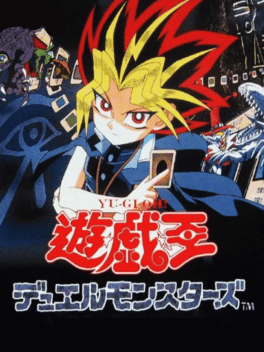
Yu-Gi-Oh! Duel Monsters is the second Yu-Gi-Oh! video game, following Yu-Gi-Oh! Monster Capsule: Breed and Battle. It is the first game in the Duel Monsters series and the only game released for the Game Boy. It was published in Japan by Konami on December 16, 1998.DX-Ball 2
1998
DX-Ball 2
1998
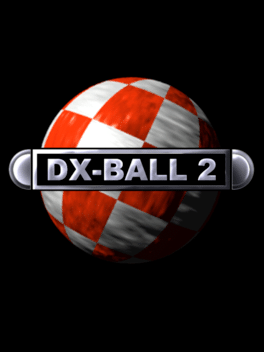
star 7.9DX-Ball 2 is a brick buster game for Microsoft Windows, developed by Longbow Games. As a follow up to DX-Ball by Michael P. Welch, the sequel is foremost remarked by the introduction of its 16-bit high-colour engine, presenting textured bricks and background graphics in vivid colours. The game also features two new Power-Ups, an easy to play "Kid-Mode", and a hotseat multiplayer mode, alongside an original soundtrack by SideWinder. DX-Ball 2 also introduces the feature of board-set selection, allowing the player to select between different sets of boards to play. The free demo thereby comes packed with a total of 24 boards divided into 6 board-sets of 4 boards search. Additional board packs can then be installed for more boards, whereas Board Pack 1 will expand the demo board-sets to 25 boards each, for a total of 150 boards. While a total of five board packs were released for the game, DX-Ball 2 was eventually succeeded by Rival Ball in 2001. A 20th Anniversary edition was announced on August 23rd, 2018 and was reWheel of Fortune
1998
Wheel of Fortune
1998
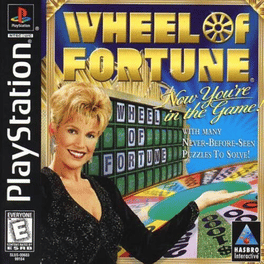
Be an actual contestant on Wheel of Fortune! Give the wheel a spin and see if you can solve a variety of clever puzzles, specially written by the TV show's producers. Don't just sit at home and watch - be there and play!Hugo
1998
Microsoft Pinball Arcade
1998
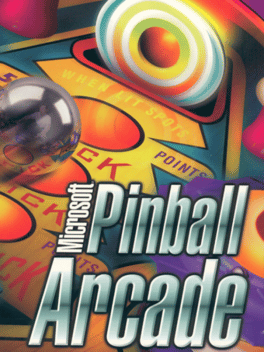
The programmers at Microsoft are porting a game from their operating system over to the Game Boy Color with MICROSOFT PINBALL ARCADE. This pinball game was great fun on the PC, and now it is in a form that can be taken anywhere. There are seven different tables that are actually representative of real boards made by pinball giant Gottlieb throughout the last century. Each board carries a different theme, whether it is space travel or a haunted house. The boards also contain a varying number of paddles and paddle locations to make each a different playing experience. The graphics in this version are not as shiny as its computer counterpart, but they do translate well to the small color screen. The sound effects and music remain largely the same, adding to the game's arcade feel. The cartridge also contains a short but detailed history of pinball and how it has evolved over the years. MICROSOFT PINBALL ARCADE gives players the classic game with enough boards and extras to keep even the experts busy for quite a while.FireTeam
1998
King's Quest VIII: The Mask of Eternity
1998
star 8.4King's Quest: Mask of Eternity (also known as King's Quest VIII: The Mask of Eternity) is an action-adventure video game written and designed by Roberta Williams and released in 1998 by Sierra Studios, is the eighth, and at present remains the final, official computer game in the famous King's Quest series. It is the first and only game in the series where the main character is neither King Graham nor a member of his family, the first in the series to use a full 3D engine as opposed to the 2D cartoon or pixel style of the earlier games and the first to omit the sequel numbering system on box artwork and title screen, though references to it being the eighth game appear in the file structure and the game was marketed as KQ8 on the official website, interviews, and other places.Hey You, Pikachu!
1998
Hey You, Pikachu!
1998
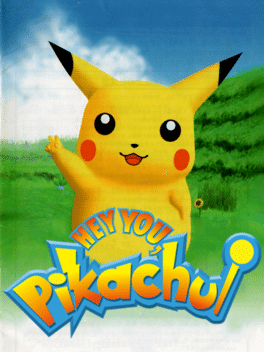
star 6Hey you, Pokémon fanatic! Have you ever wanted to control your very own Pokémon? Now you can with HEY YOU, PIKACHU! for the Nintendo 64. It's as simple as speaking into the microphone that connects to your controller. If Pikachu understands you, he'll respond. The little yellow pocket monster has a vocabulary of approximately 200 words, and Professor Oak is even on hand to train you in the ways of creature communication. Wake up Pikachu each day by shouting "Good Morning!" and decide what games to play and activities to engage in. You can play Pokémon trivia on the in-game TV, gather food, hunt for treasure, collect seemingly endless goodies, go fishing, baby-sit Caterpie, and much more. You'll also play a variety of mini-games while guiding Pikachu along with friendly commands. As you bond and converse with your cartoon pal you'll investigate the Ochre Woods, head for the campground, check out Bulbasaur's picnic, and even solve clever puzzles. HEY YOU, PIKACHU! is an interactive romp that gives the younger setSouth Park
1998
South Park
1998
star 4.6Single player takes the form of a "Story" mode divided into five episodes and fifteen linear levels. The player will face weak minions (which change based on the episode), plus occasional sub-bosses which will try to escape into town. The final level is devoted to a unique boss fight. Players use quirky weapons ranging from infinite yellow snowballs to cow launchers and toxic Terrance and Phillip dolls. Every weapon has a secondary fire, and players switch between the four main characters when they switch weapons - each of the four kids shares a single life bar because of this. The kids will comment on game actions as they occur, with heavier profanity censored with bleeps. The kids will get angrier (and fouler) as their health depletes, until they finally give up on saving the town and go home.